

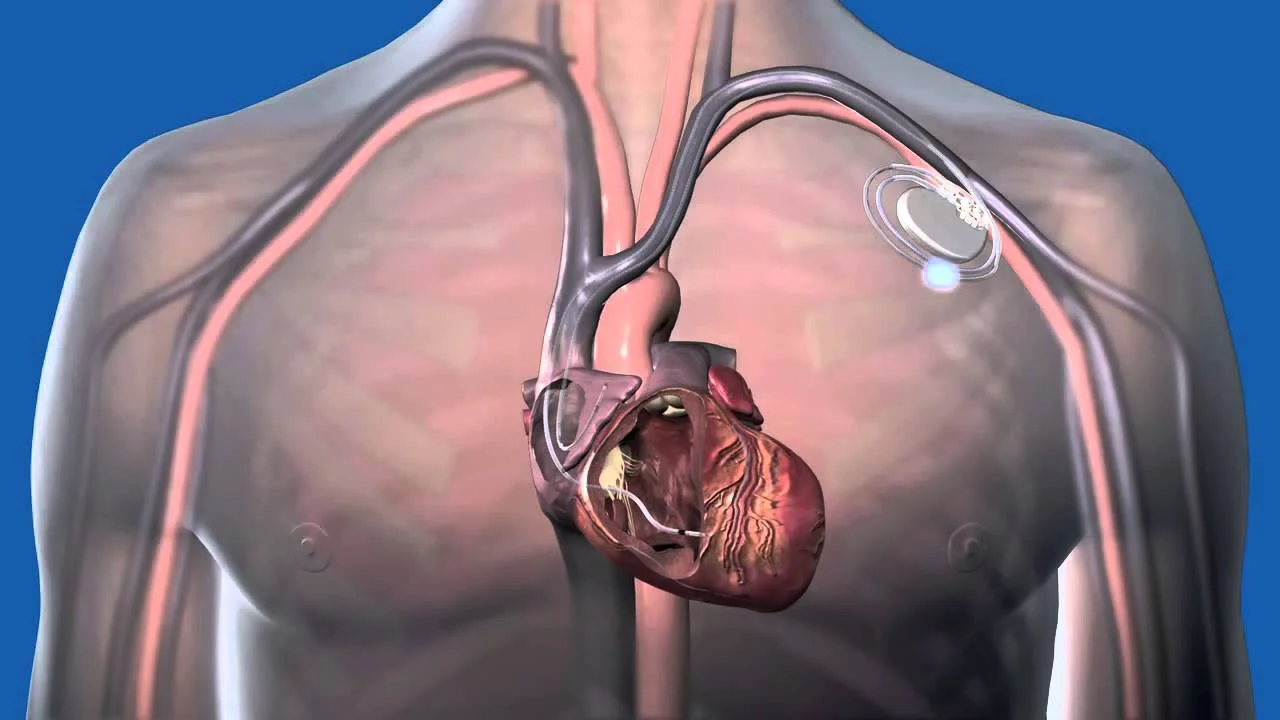
CRT Implantation
CRT implantation, or Cardiac Resynchronization Therapy implantation, is a medical procedure used to place a special type of pacemaker / defibrillator that helps the heart beat in a more coordinated and efficient way, particularly in people with moderate to severe heart failure.
Why is CRT implantation performed?
- To correct delayed electrical signals in the heart.
- To reduce the risk of hospitalizations and improve long-term survival.
- To treat patients with reduced ejection fraction / weakened heart function.
- To improve the heart’s pumping efficiency by restoring the natural timing of heartbeats.
- To relieve heart failure symptoms like fatigue, shortness of breath, and reduced physical activity.
Types of CRT devices:
CRT-P (Cardiac Resynchronisation Therapy – Pacemaker):
- It functions as a pacemaker only.
- It does not deliver shocks for dangerous arrhythmias.
- It sends electrical signals to the heart’s ventricles to help them beat in sync.
- It is used in patients with heart failure and slow or uncoordinated heartbeats.
CRT-D (Cardiac Resynchronization Therapy – Defibrillator):
- It combines CRT-P with an Implantable Cardioverter Defibrillator (ICD).
- It is recommended for patients with heart failure and high risk of sudden cardiac death.
- It provides both resynchronisation and life-saving shocks if a dangerous rhythm is detected.
All Department
Opening Hours
| Monday – Saturday | 4pm – 8pm |
| Sunday | Closed |
| Holidays | Closed |