

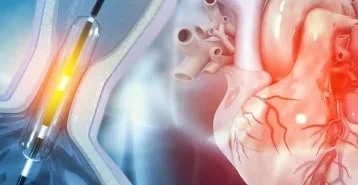
Cardiac Catheterisation
Cardiac catheterisation is a diagnostic and sometimes therapeutic procedure used to examine how well the heart is functioning. This involves inserting a thin, flexible tube (catheter) into a blood vessel, usually in the arm or groin and guiding it to the heart.
Purpose of cardiac catheterisation:
- To evaluate heart valve function
- To take blood or tissue samples
- To prepare procedures like angioplasty or stent placement
- To check blocked or narrowed arteries (coronary artery disease)
- To measure blood pressure and oxygen levels in the heart chambers.
How is cardiac catheterisation performed?
- It is performed under local anaesthesia, sometimes with mild sedation.
- A catheter is inserted into a blood vessel and guided to the heart using X-ray imaging.
- A contrast agent may be injected to make the blood vessels stand out on X-ray images.
- The duration of the procedure usually lasts around 30 to 60 minutes.
All Department
Opening Hours
| Monday – Saturday | 4pm – 8pm |
| Sunday | Closed |
| Holidays | Closed |